
This phase aims to alleviate pain, inflammation, and muscle spasms. Treatment may involve ice therapy to reduce swelling and chiropractic adjustments of the spine. This stage typically spans from a few days to a few weeks. Treatment intensity is typically at its peak during this phase, often requiring multiple visits each week for many conditions.
This phase of care focuses on relieving nerve pressure and restoring normal joint mobility and function. The corrective phase commences once pain has significantly diminished, and the patient feels capable of resuming regular activities. It’s a critical period, as fully resuming all activities prematurely can lead to a return or worsening of symptoms due to the condition not yet being fully stabilized.
During this phase, chiropractic adjustments aim to improve spinal mobility to promote more normal function in the spine and nervous system. The duration of this phase varies, ranging from a few weeks for minor conditions to months for more severe cases. While the frequency of care may still involve multiple visits per week, it typically decreases compared to the acute or relief phase.
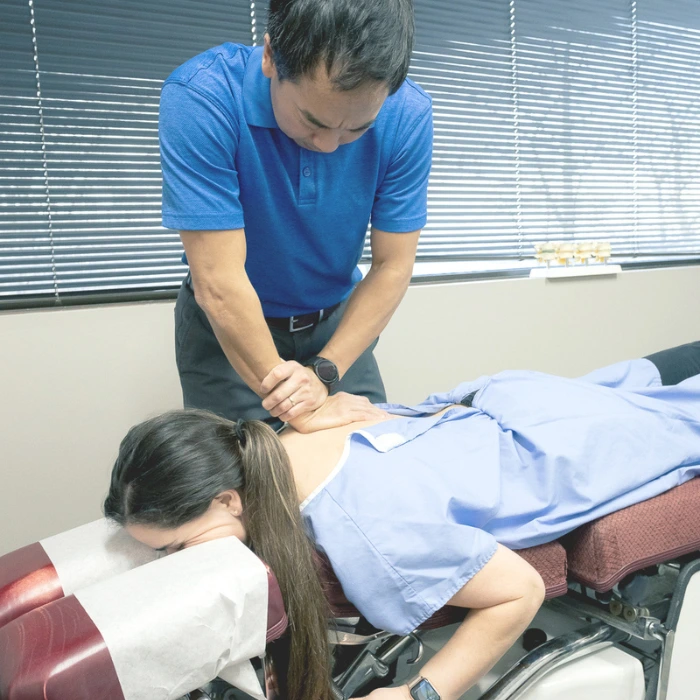
In this phase of care, patients typically experience a significant reduction in pain or are completely pain-free in most cases. For severe chronic cases, pain stabilization may continue. The frequency of visits decreases further, while rehabilitative exercises and stretching often become more prominent. Our objective during this stage is to enhance the strength of the soft tissue surrounding the affected spinal segments, promoting consistent function in these areas of the spine.
This stage marks the point where pain is either completely eliminated or stable in chronic cases. Treatment frequency varies from once per week to once every two months. There are significant benefits at this stage. Typically, patients have developed improved work and exercise habits, promoting overall health. Moreover, patients’ attitudes are generally positive during this phase.
Another notable advantage of this stage is that if a spinal injury occurs again due to unforeseen circumstances, patients often require minimal treatment compared to initial care. This phenomenon mirrors how highly conditioned athletes recover swiftly from injuries that would typically entail prolonged recovery periods for most individuals. Eventually, the body’s natural healing abilities kick in, allowing the spine to maintain and heal itself without the need for chiropractic adjustments.